
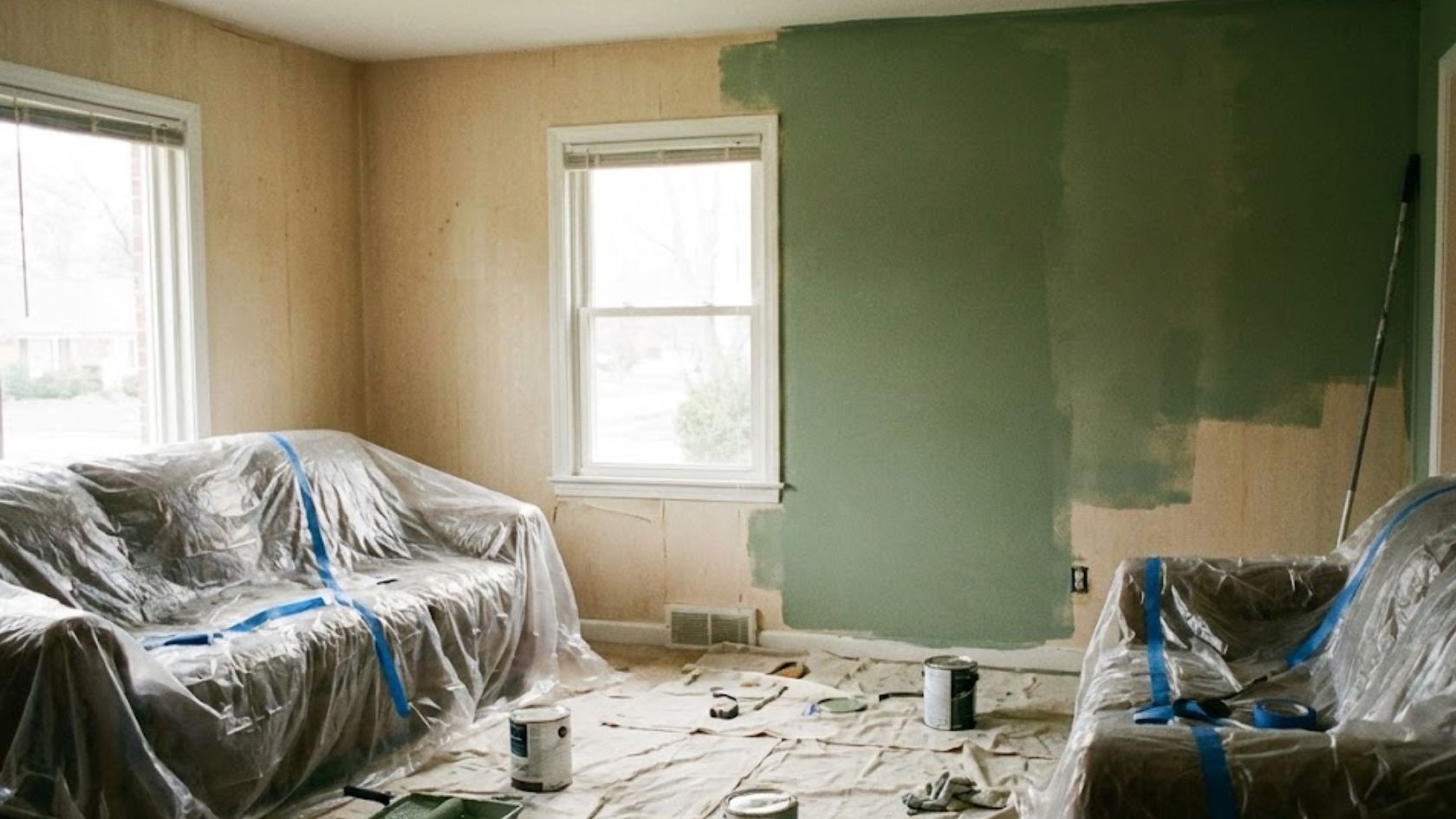
Is your home’s appearance starting to look tired or worn? Recognizing when it’s time to repaint can save you from costly repairs and boost your property’s value. This guide will help you identify key signs that indicate it’s time for a fresh coat, including changes in paint elasticity due to climate, the appearance of mildew, and shifts in aesthetic preferences. We’ll cover both exterior and interior indicators, with a special focus on high-traffic areas like the kitchen. By the end, you’ll be equipped to make an informed decision about repainting your home.
Key Takeaways
- Regular inspection of exterior surfaces helps identify signs of wear and need for repainting
- Different paint types have varying lifespans, influencing the frequency of home renovation projects
- Repainting provides an opportunity to address necessary repairs and improve overall home durability
- Interior paint fading and color changes often signal the need for repainting
- Enhancing curb appeal through repainting can significantly increase a home’s value
Recognize the Visual Cues Indicating Repainting Is Necessary

Recognizing visual cues for repainting is essential for maintaining a home’s appearance and value. Homeowners should watch for fading colors, flaking paint, surface cracks, water damage, and paint blisters. These signs indicate it’s time for a fresh color scheme. Professional painting tips from a reputable LLC can help address these issues effectively.
Notice the Impact of Fading Colors
Fading colors serve as a clear indicator that a home’s exterior paint requires attention. Prolonged exposure to sunlight, water, and general wear can cause vibrant hues to lose their luster, signaling the need for a fresh coat. Homeowners should regularly inspect their property’s exterior, paying close attention to areas that receive direct sunlight or frequent water exposure. Addressing fading early can prevent further damage and maintain the home’s aesthetic appeal, potentially saving on more extensive repairs later. Obtaining a professional estimate for repainting can help homeowners plan for this necessary maintenance task.
Identify Flaking and Peeling Paint
Flaking and peeling paint are clear signs of wear and tear that indicate the need for repainting. These issues often result from poor surface preparation, inadequate priming, or exposure to moisture and pests. Homeowners should inspect their property for areas where paint is lifting or falling off, particularly around windows, doors, and areas prone to drainage issues. Addressing these problems promptly can prevent further damage, such as wood rot or pest infestations. A professional paint job, including proper surface preparation and application of a quality primer and stain-resistant paint, can significantly extend the life of the exterior coating:
- Inspect for areas of flaking or peeling paint
- Check around windows, doors, and drainage-prone areas
- Address issues promptly to prevent further damage
- Consider professional painting with proper preparation and materials
Observe Cracks and Surface Damage
Surface cracks and damage are telltale signs that a home needs repainting. These imperfections often indicate underlying issues such as dry rot or moisture penetration, especially in brick structures. Addressing these problems promptly not only improves curb appeal but also protects the home’s structural integrity. For homeowners considering selling their home, repairing cracks and repainting can significantly enhance the property’s marketability and value.
Look for Stains and Water Damage
Stains and water damage on walls or ceilings are clear indicators that a home needs repainting. These issues often stem from high humidity levels or leaks, which can compromise the longevity of the paint and the underlying structure. Homeowners should regularly inspect their property for discoloration, bubbling paint, or visible water marks. If left unaddressed, these problems can lead to mold growth and more extensive home improvement needs. When such signs are observed, it’s advisable to hire a professional painter who can assess the damage, address the root cause, and apply appropriate treatments before repainting to ensure a lasting finish.
Check for Bubbles or Blisters in the Paint
Paint bubbles or blisters indicate trapped moisture beneath the surface, often resulting from exposure to rain, snow, or high humidity. These imperfections can compromise the protective coat and expose underlying surfaces to further damage. Homeowners should inspect exterior walls and indoor areas near windows or plumbing fixtures for signs of bubbling. Addressing these issues promptly prevents water from seeping into the structure and damaging furniture or other belongings. A professional painter can properly prepare the surface and apply a weather-resistant paint to prevent future occurrences.
Understand the Lifecycle of Your Paint
Understanding paint lifecycles is crucial for maintaining a home’s appearance and value. This section explores typical durations for different paint types on siding and drywall, environmental factors like sunlight exposure affecting longevity, and the importance of consistent painting schedules. Proper knowledge of these aspects helps homeowners make informed decisions about repainting, potentially saving time and money on this essential investment.
Review Typical Durations for Different Paint Types
Different paint types have varying lifespans, influencing the frequency of home renovation projects. Latex paint on wood siding typically lasts 5-7 years, while oil-based paint can endure up to 10 years. Interior wall colors in low-traffic areas may last 7-10 years, but high-traffic zones often require repainting every 3-5 years. Proper surface preparation, including caulking and priming, significantly extends paint longevity. Understanding these durations helps homeowners plan for future painting projects:
|
Paint Type
|
Surface
|
Average Lifespan
|
|---|---|---|
|
Latex
|
Wood Siding
|
5-7 years
|
|
Oil-based
|
Wood Siding
|
7-10 years
|
|
Interior
|
Low-traffic Walls
|
7-10 years
|
|
Interior
|
High-traffic Walls
|
3-5 years
|
Consider Environmental Factors Affecting Paint Longevity
Environmental factors significantly influence paint longevity on both interior and exterior surfaces. Exposure to sunlight, wind, and moisture can accelerate paint deterioration, especially on stucco and other exterior materials. Interior design choices, such as placement of furniture near windows, can affect how quickly paint fades. The roof’s condition also plays a role in protecting exterior paint from the elements, impacting its overall beauty and durability. Homeowners should consider these factors when planning repainting projects to ensure long-lasting results.
Analyze Previous Painting Schedules for Consistency
Analyzing previous painting schedules helps homeowners establish consistent maintenance routines for both interior and exterior surfaces. By tracking past painting projects, they can identify patterns in wear and tear, especially in areas exposed to extreme weather or high pressure. This analysis enables proactive planning for future repainting, ensuring the home’s appearance remains fresh and protected. Homeowners should consider the following factors when reviewing their painting history:
- Frequency of repainting for different areas of the home
- Performance of various paint types and brands
- Impact of seasonal weather patterns on paint durability
- Effectiveness of surface preparation techniques
Evaluate the Condition of Your Home’s Exterior
Evaluating a home’s exterior is crucial for determining repainting needs. This section covers inspecting wood surfaces for rot or damage, assessing trim and molding condition, and reviewing garage doors and garden areas. These key aspects help homeowners identify potential issues and decide when repainting is necessary to protect and enhance their property’s appearance.
Inspect Wood Surfaces for Rot or Damage
Regular inspection of wood surfaces is crucial for identifying rot or damage that may necessitate repainting. Homeowners should examine exterior wood elements, such as siding, trim, and decks, for signs of decay, warping, or pest infestation. These issues often indicate moisture penetration, which can compromise the integrity of the paint and the underlying structure. Addressing wood damage promptly and repainting with appropriate sealants and coatings can prevent further deterioration and extend the life of exterior wood surfaces:
- Check for soft or spongy areas in wood surfaces
- Look for discoloration or dark spots indicating water damage
- Inspect for visible cracks or splits in wood elements
- Examine areas where wood meets the ground for signs of rot
- Test wood integrity by gently probing with a screwdriver
Assess the Condition of Trim and Molding
Assessing the condition of trim and molding is crucial for determining when to repaint a home’s exterior. Homeowners should inspect these elements for signs of peeling paint, cracks, or gaps that may allow moisture infiltration. Damaged trim and molding can compromise the home’s structural integrity and aesthetic appeal. Prompt attention to these issues, including repainting with appropriate sealants, can prevent more extensive repairs and maintain the property’s value.
Review the Garage Doors and Garden Areas
Garage doors and garden areas often require repainting before other exterior surfaces due to frequent use and exposure to the elements. Homeowners should inspect these areas for fading, peeling, or chipping paint, as well as signs of rust or water damage. Repainting garage doors not only enhances curb appeal but also protects the metal or wood from corrosion and decay. In garden areas, fences, trellises, and garden sheds may need attention to maintain their appearance and structural integrity.
Recognize Changes in Home Aesthetics
Recognizing changes in home aesthetics is crucial for determining when to repaint. This section explores modern design trends, evolving color preferences, and the impact of curb appeal on home value. Understanding these factors helps homeowners make informed decisions about repainting to keep their property looking fresh and appealing.
Reflect on Modern Design Trends
Modern design trends significantly influence homeowners’ decisions to repaint their homes. As architectural styles evolve and color palettes shift, a home’s exterior can quickly appear outdated. Homeowners should consider current trends in exterior paint colors, such as earthy tones or bold accent hues, to refresh their property’s look. Staying informed about contemporary design preferences helps maintain a home’s aesthetic appeal and potential resale value.
Adapt to New Color Preferences Over Time
Color preferences evolve over time, influencing homeowners’ decisions to repaint their properties. As design trends shift, previously popular colors may appear dated, affecting a home’s overall aesthetic appeal. Homeowners should regularly assess their exterior paint colors against current trends to determine if repainting is necessary. Adapting to new color preferences can significantly enhance a home’s curb appeal and potentially increase its market value. Consider the following factors when evaluating color choices:
- Current popular exterior color palettes
- Neighborhood aesthetics and architectural styles
- Personal preferences and long-term plans for the property
- Impact of color choices on energy efficiency
- Resale potential and buyer preferences in the local market
Enhance Curb Appeal for Increased Value
Enhancing curb appeal through repainting can significantly increase a home’s value. A fresh coat of paint on the exterior not only protects the structure but also creates a positive first impression for potential buyers. Real estate experts often recommend updating exterior colors as a cost-effective way to boost property value, with some estimates suggesting that a well-executed exterior paint job can yield a return on investment of up to 200%.
Assess the Functional Needs of Your Home
Assessing a home’s functional needs is crucial when considering repainting. This section explores the protective benefits of fresh paint, how it improves overall durability, and the opportunity to address necessary repairs during the repainting process. Understanding these aspects helps homeowners make informed decisions about maintaining their property’s integrity and appearance.
Consider Protective Benefits of a Fresh Coat
A fresh coat of paint offers significant protective benefits for a home’s exterior. It acts as a barrier against moisture, UV rays, and pests, preventing damage to the underlying structure. Homeowners should consider repainting when they notice signs of wear or fading, as this indicates the current paint is no longer providing adequate protection. Regular repainting can extend the life of siding, trim, and other exterior elements, potentially saving on costly repairs in the future:
- Shields against moisture infiltration
- Protects from UV ray damage
- Deters pest infestations
- Preserves structural integrity
- Prevents premature aging of exterior materials
Evaluate How Painting Improves Overall Durability
Painting significantly enhances a home’s overall durability by creating a protective barrier against environmental factors. This layer shields surfaces from moisture, UV rays, and temperature fluctuations, which can cause materials to degrade over time. Regular repainting helps prevent wood rot, metal corrosion, and structural damage, extending the lifespan of exterior components. Homeowners who prioritize painting maintenance often find their properties require fewer repairs and retain their value better in the long term.
Address Necessary Repairs While Repainting
Repainting provides an ideal opportunity to address necessary repairs in a home. As paint is stripped or surfaces are prepared, underlying issues such as wood rot, cracks, or structural damage often become visible. Homeowners can save time and money by fixing these problems before applying new paint, ensuring a smoother finish and preventing future complications. Professional painters often offer repair services alongside painting, streamlining the process and improving the overall quality of the renovation.
Identify Signs From the Interior
Interior signs can indicate the need for repainting a home. Homeowners should watch for fading colors and changes in indoor spaces, check for mold or mildew growth, and consider how their feelings about their living environment have evolved. These factors help determine if it’s time to refresh the home’s interior paint.
Detect Fading and Color Changes Indoors
Interior paint fading and color changes often signal the need for repainting. Sunlight exposure through windows can cause noticeable fading on walls and furnishings over time. Homeowners should inspect areas near windows and compare them to less exposed sections to identify color discrepancies. These changes not only affect the room’s aesthetics but also indicate that the paint’s protective qualities may have diminished, potentially leaving surfaces vulnerable to damage.
Look for Evidence of Mold or Mildew
Evidence of mold or mildew growth inside a home often indicates the need for repainting. These fungi thrive in damp environments and can appear as dark spots or patches on walls, ceilings, and corners. Homeowners should regularly inspect bathrooms, kitchens, and basements for signs of mold or mildew, as these areas are prone to moisture accumulation. Repainting with mold-resistant paint can help prevent future growth and improve indoor air quality.
Acknowledge Shifts in Sentiment Toward Your Space
Shifts in sentiment toward living spaces often signal the need for repainting. Homeowners may experience a sense of staleness or dissatisfaction with their surroundings, indicating it’s time for a refresh. A new paint color can dramatically transform a room’s atmosphere, potentially improving mood and productivity. Homeowners should consider repainting when they notice a decrease in enjoyment or comfort in their living spaces:
- Feeling uninspired or bored with current room colors
- Noticing a mismatch between decor and wall colors
- Experiencing a desire for a more modern or updated look
- Recognizing that current colors no longer reflect personal style
- Feeling the need for a change to improve overall well-being at home
Conclusion
Recognizing the signs that indicate it’s time to repaint your home is crucial for maintaining its appearance, value, and structural integrity. From visible cues like fading colors and peeling paint to less obvious indicators such as changes in interior aesthetics or shifts in personal sentiment towards your living space, these signals serve as important reminders to invest in your property’s upkeep. Regular painting not only enhances curb appeal and protects against environmental damage but also provides opportunities to address underlying issues and stay current with modern design trends. By staying attuned to these signs and acting promptly, homeowners can ensure their properties remain beautiful, durable, and valuable for years to come.