
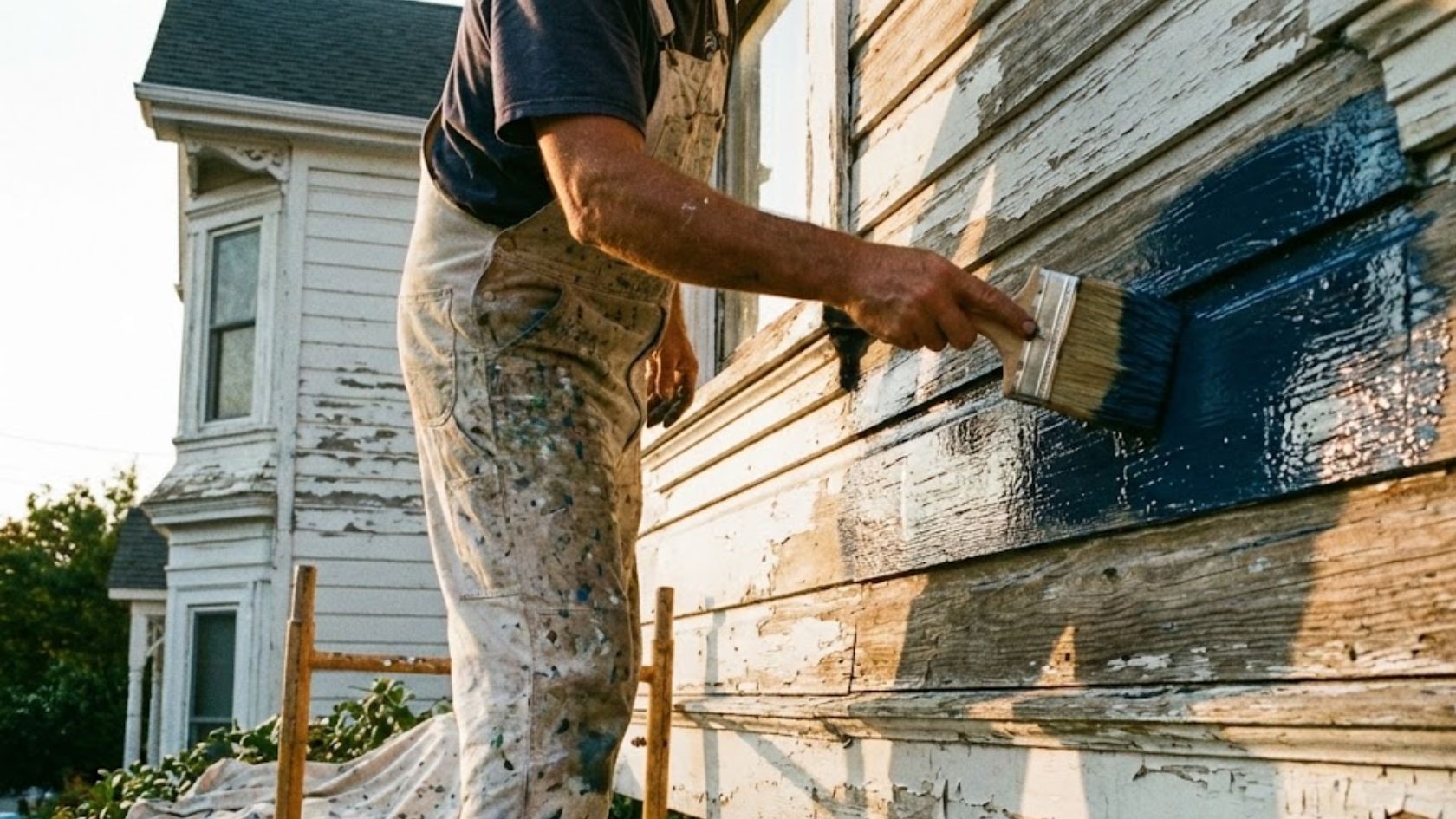
Arizona‘s intense heat poses a significant challenge for exterior paint. How can homeowners protect their investment and maintain a fresh-looking facade? This guide explores effective strategies for selecting heat-resistant paints, proper surface preparation, and application techniques tailored to Arizona‘s climate. We’ll also cover essential maintenance tips and when to seek professional help. By following these guidelines, you’ll learn how to extend the life of your exterior paint, saving time and money while keeping your home looking its best in the harsh desert environment.
Key Takeaways
-
Arizona‘s intense heat significantly impacts exterior paint, causing premature fading and deterioration
-
Proper surface preparation and priming are crucial for paint longevity in Arizona‘s climate
-
Optimal painting conditions include temperatures between 50-90°F and humidity below 50%
-
Regular maintenance, including inspections and touch-ups, helps extend the life of exterior paint
-
Professional painters offer expertise in heat-resistant materials and application techniques for Arizona‘s harsh climate
Understanding the Effects of Arizona Heat on Exterior Paint

Arizona‘s intense heat significantly impacts exterior paint, causing premature fading and deterioration. The sun’s ultraviolet rays break down paint molecules, affecting the siding‘s beauty and protective qualities. Proper painting services are essential to maintain the aesthetics and integrity of homes in this harsh climate.
Heat absorption accelerates paint degradation, especially on dark-colored surfaces. Stucco, a common exterior material in Arizona, can experience cracking and peeling due to thermal expansion and contraction. Selecting heat-resistant paints and light colors can help mitigate these effects and extend the life of exterior coatings.
High temperatures also cause rapid evaporation of paint solvents, leading to improper curing and reduced durability. This issue affects both the appearance and protective function of exterior paint. Professional painting services can address these challenges by using appropriate techniques and materials suited for Arizona‘s climate.
Choosing the Right Paint for Harsh Climates

Selecting the right paint is crucial for maintaining exteriors in Arizona‘s harsh climate. This section explores weather-resistant paint options, comparing their durability and UV resistance. It examines how different paint types perform in extreme heat, considering factors like color choice and ventilation to prevent mold and minimize wear. Understanding these aspects helps homeowners make informed decisions for long-lasting exterior protection.
Selecting Weather-Resistant Paint
In Phoenix and surrounding areas, selecting weather-resistant paint is crucial for protecting exteriors from the intense Arizona heat and occasional rain. Latex paints with high-quality resins offer excellent durability and flexibility, making them ideal for the extreme temperature fluctuations experienced in the region. When choosing paint for landscapes or outdoor structures like tire swings, consider products specifically formulated to withstand UV radiation and resist fading. The right paint selection can significantly extend the life of exterior surfaces in harsh climates:
-
Look for paints with high solar reflectance
-
Choose elastomeric coatings for added flexibility
-
Opt for products with mold and mildew resistance
-
Select paints with low VOC content for environmental consideration
-
Consider self-cleaning paint technologies for reduced maintenance
Comparing Different Paint Types for Durability
In Arizona‘s desert climate, paint durability is crucial for maintaining aesthetics and protection. Acrylic latex paints offer superior adhesion and flexibility, resisting cracking and peeling in extreme heat. Silicone-modified paints provide excellent UV resistance and color retention, while ceramic-based coatings reflect heat effectively. These high-performance options outperform traditional oil-based paints in terms of longevity and resistance to humidity, making them ideal choices for the harsh Arizona environment.
Importance of UV Resistance
UV resistance is crucial for exterior paints in Arizona‘s harsh climate. High-quality paints with ceramic additives offer superior protection against the sun’s damaging rays, preventing premature fading and deterioration. These advanced formulations also provide excellent waterproofing properties, safeguarding surfaces from moisture and mildew growth. When combined with coolant technologies, UV-resistant paints can significantly reduce heat absorption, protecting the paint and the underlying structure from thermal stress caused by intense sunlight and occasional strong winds.
Preparing Surfaces Before Painting

Preparing surfaces is crucial for paint longevity in Arizona‘s heat. Proper cleaning, repairing, and priming of brick, masonry, and other materials protect against ultraviolet damage. Timing the application to avoid heat stress ensures optimal results. These steps are essential for maintaining durable exterior paint, including acrylic formulations, in harsh desert conditions.
Cleaning and Repairing Surfaces
Proper surface preparation is crucial for paint longevity in Arizona‘s extreme heat. Thorough cleaning removes soil, dust, and debris from wood, metal, and masonry surfaces, ensuring better paint adhesion. Repairing damaged areas, such as cracks or rot, is essential before applying beige or any other color. This process helps the paint withstand the intense Arizona heat and prolongs its lifespan. Here’s a breakdown of surface preparation steps:
|
Surface Type
|
Cleaning Method
|
Repair Technique
|
|---|---|---|
|
Wood
|
Pressure washing, sanding
|
Wood filler, epoxy
|
|
Metal
|
Wire brushing, degreasing
|
Rust removal, priming
|
|
Masonry
|
Pressure washing, acid etching
|
Patching, crack filling
|
Proper Priming Techniques
Proper priming techniques are essential for ensuring paint longevity in Arizona‘s harsh climate. After thorough surface preparation, including sanding, homeowners should apply a high-quality primer suitable for the specific architectural style and material of their home’s exterior. This step enhances paint adhesion and provides an additional barrier against the intense heat and UV rays, particularly important for surfaces exposed to direct sunlight, such as vehicle exteriors or areas without shade or air conditioning. Selecting the appropriate primer and applying it correctly can significantly extend the life of the exterior paint job in Arizona‘s challenging environment.
Timing Your Painting to Avoid Heat Stress
Timing exterior painting in Arizona is crucial to avoid heat stress on both the paint and the applicators. Professionals recommend painting during cooler morning hours or in the late afternoon when temperatures are lower. This approach allows the paint to dry properly and prevents issues like blistering or premature aging of the roof coating. Painters should use high-quality brushes and energy-efficient techniques to maximize coverage and minimize exposure to the intense heat. When painting outdoor furniture, it’s essential to work in shaded areas or create temporary shelter to protect both the workers and the paint from direct sunlight:
|
Time of Day
|
Temperature Range
|
Ideal for Painting
|
|---|---|---|
|
Early Morning (5-9 AM)
|
70-85°F
|
Yes
|
|
Mid-Day (10 AM-3 PM)
|
95-110°F
|
No
|
|
Late Afternoon (4-7 PM)
|
85-95°F
|
Yes
|
Applying Paint Effectively in High Temperatures

Applying paint effectively in Arizona‘s high temperatures requires careful planning and execution. This section explores optimal conditions for paint application, including temperature and humidity considerations. It provides tips for achieving even coverage in hot weather and discusses strategies to prevent blistering and peeling. Understanding these techniques helps ensure durable, long-lasting exterior paint jobs in challenging climates.
Optimal Conditions for Paint Application
Optimal conditions for paint application in Arizona‘s heat require careful attention to moisture levels and temperature. Painters should aim for relative humidity below 50% and temperatures between 50-90°F, using specialized sandpaper to prepare surfaces. Applying paint during cooler hours minimizes water vapor issues and ensures proper coat adhesion. The following table outlines ideal painting conditions:
|
Factor
|
Optimal Range
|
Impact on Paint
|
|---|---|---|
|
Temperature
|
50-90°F
|
Proper drying and curing
|
|
Humidity
|
<50%
|
Reduced blistering risk
|
|
Surface Prep
|
120-220 grit sandpaper
|
Enhanced adhesion
|
Tips for Even Coverage in Hot Weather
Achieving even coverage in Arizona‘s hot weather requires careful technique and planning. Painters should work in smaller sections, maintaining a wet edge to prevent lap marks, especially on fiber cement siding. Using a consistent color scheme across the exterior helps mask potential inconsistencies caused by rapid drying. To combat the desert heat, professionals often start on the shaded side of the building, moving with the sun to minimize direct exposure. Removing debris and providing a clean surface is crucial for adhesion in high temperatures. Painters may request an email address from clients to send timely updates on optimal painting conditions.
Avoiding Blistering and Peeling
To avoid blistering and peeling in Arizona‘s intense heat, painters must carefully control the application process. Applying paint during cooler hours and avoiding direct sunlight helps prevent rapid drying that can lead to adhesion issues. Proper surface preparation and using high-quality, heat-resistant paints with strong warranties can significantly reduce the risk of blistering. Painters should also consider using lower pressure when spraying to ensure even application and minimize the chance of peeling:
|
Factor
|
Recommendation
|
Benefit
|
|---|---|---|
|
Application Time
|
Early morning or late afternoon
|
Reduced heat exposure
|
|
Paint Quality
|
Heat-resistant, high-warranty products
|
Improved durability
|
|
Spray Pressure
|
Lower PSI settings
|
Even application, less peeling
|
Regular Maintenance to Extend Paint Life

Regular maintenance is crucial for extending the life of exterior paint in Arizona‘s harsh climate. This section covers periodic damage inspections, cleaning and touch-up techniques, and a seasonal maintenance checklist. These practices help homeowners protect their investment and maintain their property’s appearance despite the intense heat and sun exposure.
Inspecting for Damage Periodically
Regular inspections are crucial for maintaining exterior paint in Arizona‘s harsh climate. Homeowners should conduct thorough examinations every six months, focusing on areas prone to damage such as south-facing walls and trim. These checks help identify early signs of wear, including cracking, peeling, or fading, allowing for timely interventions. Prompt detection of issues prevents more extensive damage and reduces long-term maintenance costs:
-
Check for paint bubbling or blistering
-
Examine caulking around windows and doors
-
Look for signs of moisture damage or mold growth
-
Inspect wood surfaces for rot or pest infestation
-
Assess metal components for rust or corrosion
Cleaning and Touching Up Paint
Regular cleaning and touch-ups are essential for maintaining exterior paint in Arizona‘s harsh climate. Homeowners should gently wash surfaces with a mild detergent solution and soft brush to remove dirt and pollutants, avoiding high-pressure washing that can damage the paint. For touch-ups, it’s crucial to use the exact paint color and type as the original application, focusing on small areas to blend seamlessly with the existing finish. This proactive approach helps prevent further deterioration and extends the overall lifespan of the paint job:
|
Maintenance Task
|
Frequency
|
Purpose
|
|---|---|---|
|
Gentle Cleaning
|
Bi-annually
|
Remove dirt and pollutants
|
|
Touch-up Painting
|
As needed
|
Address small damaged areas
|
|
Color Matching
|
Before touch-ups
|
Ensure seamless blending
|
Seasonal Maintenance Checklist
A seasonal maintenance checklist helps homeowners in Arizona protect their exterior paint from harsh weather conditions. During spring, residents should inspect for winter damage and clean surfaces thoroughly. Summer requires vigilant monitoring for signs of heat-related deterioration, while fall is ideal for touch-ups and repairs before winter. Regular checks and prompt action can significantly extend the life of exterior paint in Arizona‘s challenging climate.
Utilizing Professional Services for Best Results
Professional painting services offer significant benefits for maintaining exterior paint in Arizona‘s harsh climate. Experienced painters provide expertise in selecting appropriate materials and application techniques. This section explores the advantages of hiring professionals, situations warranting expert assistance, and criteria for choosing a reliable painting service. Understanding these aspects helps homeowners make informed decisions for optimal paint maintenance.
Benefits of Hiring Experienced Painters
Hiring experienced painters in Arizona offers numerous advantages for homeowners seeking to maintain their exterior paint. These professionals possess in-depth knowledge of heat-resistant materials and application techniques tailored to the region’s harsh climate. Their expertise ensures proper surface preparation, optimal paint selection, and efficient application, resulting in a durable finish that withstands intense UV exposure and temperature fluctuations. Professional painters also have access to high-quality equipment and materials, often unavailable to the general public, which contribute to a longer-lasting paint job. The benefits of professional painting services include:
-
Expert color consultation for heat-reflective options
-
Thorough surface preparation and repairs
-
Precise application techniques for even coverage
-
Use of premium, climate-specific paints
-
Adherence to optimal painting schedules
-
Warranty protection for labor and materials
When to Consider Professional Help
Homeowners should consider professional help for exterior painting in Arizona when facing extensive damage, complex architectural features, or time constraints. Professional painters possess the expertise to handle challenging surfaces like stucco or intricate trim work, ensuring proper preparation and application techniques. They also have access to specialized equipment and high-quality paints designed for extreme heat resistance. Situations that warrant professional assistance include:
-
Large-scale repainting projects
-
Homes with significant sun exposure or weathering
-
Properties with historical or unique architectural elements
-
Cases requiring color changes or extensive surface repairs
-
Homes in areas with strict homeowners’ association guidelines
How to Choose a Reliable Painting Service
Selecting a reliable painting service in Arizona requires careful consideration of several factors. Homeowners should research local companies, checking their licenses, insurance, and certifications specific to working in extreme heat conditions. Reading customer reviews and examining portfolios of past projects in similar climates can provide insights into a company’s expertise. It’s crucial to obtain detailed quotes that outline the proposed materials, preparation techniques, and application methods suitable for Arizona‘s harsh environment. Reputable painting services will offer warranties on their work and demonstrate knowledge of heat-resistant paints and proper application timing to ensure longevity in the intense desert conditions.
Conclusion
Maintaining exterior paint in Arizona‘s intense heat demands a comprehensive approach, combining proper surface preparation, strategic application techniques, and regular maintenance. Selecting high-quality, heat-resistant paints and applying them under optimal conditions significantly extends the lifespan of exterior coatings, protecting homes from the harsh desert climate. Regular inspections, timely repairs, and professional assistance when needed are crucial for preserving the aesthetic appeal and structural integrity of buildings in this challenging environment. By implementing these effective strategies, homeowners can ensure their properties remain well-protected and visually appealing despite the relentless Arizona sun.